

German-Italian research on green hydrogen
The joint German-Italian research projects aim to develop innovative solutions along the value chain of green hydrogen. They aim to make hydrogen usable as an energy carrier in various areas.
In order to achieve the goals set out in the Paris Climate Agreement, the use of renewable energies is essential. Green hydrogen plays a crucial role in this process. Therefore, the establishment of a European hydrogen market is being encouraged. Bilateral partnerships can support the development of such a market.
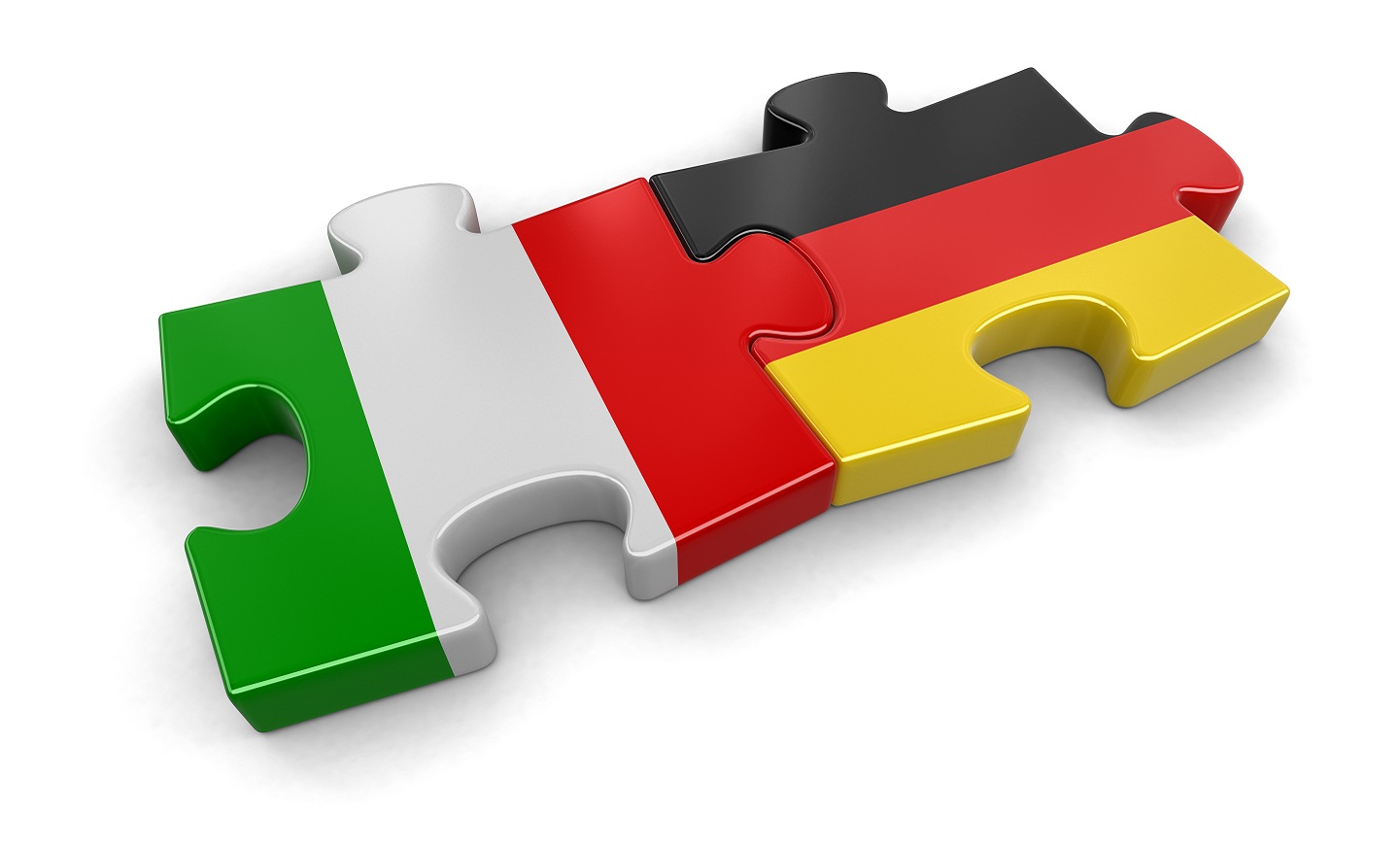
The cooperation between Germany and Italy in hydrogen research is a good example of the importance of international collaboration in tackling climate change. By working together, both countries can contribute to their energy transitions and have an impact on global efforts to create a more sustainable future. This is why the German Federal Ministry of Research, Technology and Space (BMFTR), the Italian Ministry of Foreign Affairs and International Cooperation (MAECI), the Italian Ministry of Universities and Research (MUR) together with the Italian Embassy in Germany had called for research project proposals in the field of green hydrogen in 2024.
The joint research projects aim to develop innovative solutions along the green hydrogen value chain in order to make it usable as an energy carrier in many areas. Various fields are investigated, such as system studies and analyses, as well as further research into technologies and infrastructure for hydrogen and its derivatives.
Three projects were selected and started work in December 2024.
THESE PROJECTS ARE
The HIT project is investigating the use of iron as an energy carrier for transporting green hydrogen. The first step is the reduction of iron ore to elemental iron using hydrogen. This method ensures efficient transportation over long distances. In a second step, in instances where hydrogen is required, the elemental iron can be oxidised by steam, resulting in the production of hydrogen.
How can pipes and seals be made suitable for hydrogen? The Fit4H2 project is developing coatings and hydrogen barrier layers made of ceramics and metal oxides. The project is also engaged in research and development of highly sensitive sensors made of novel nanomaterials and used for monitoring hydrogen permeability. The combination of sensors with artificial intelligence facilitates the detection and quantification of other gases.
The DURALYS project focuses on improving AEM electrolyzer technology. It is developing new electrodes and processes along the entire value chain. Moreover, the German and Italian partners are collaborating to enhance their comprehension of the processes involved and their validation at the application level. Their goal: a commercially viable AEM electrolyzer.
News about the measure

Last updated on