



The electronic engineer Elizabeth Nampala from Namibia
Elizabeth Tuyambeka Nampala is a Youth for Green Hydrogen (Y4H2)-TVET (technical and vocational education and training) student in Electrical and Electronic Engineering. Here, she reports about her experiences in the programm.
1. Please describe in five sentences what you are trained in.
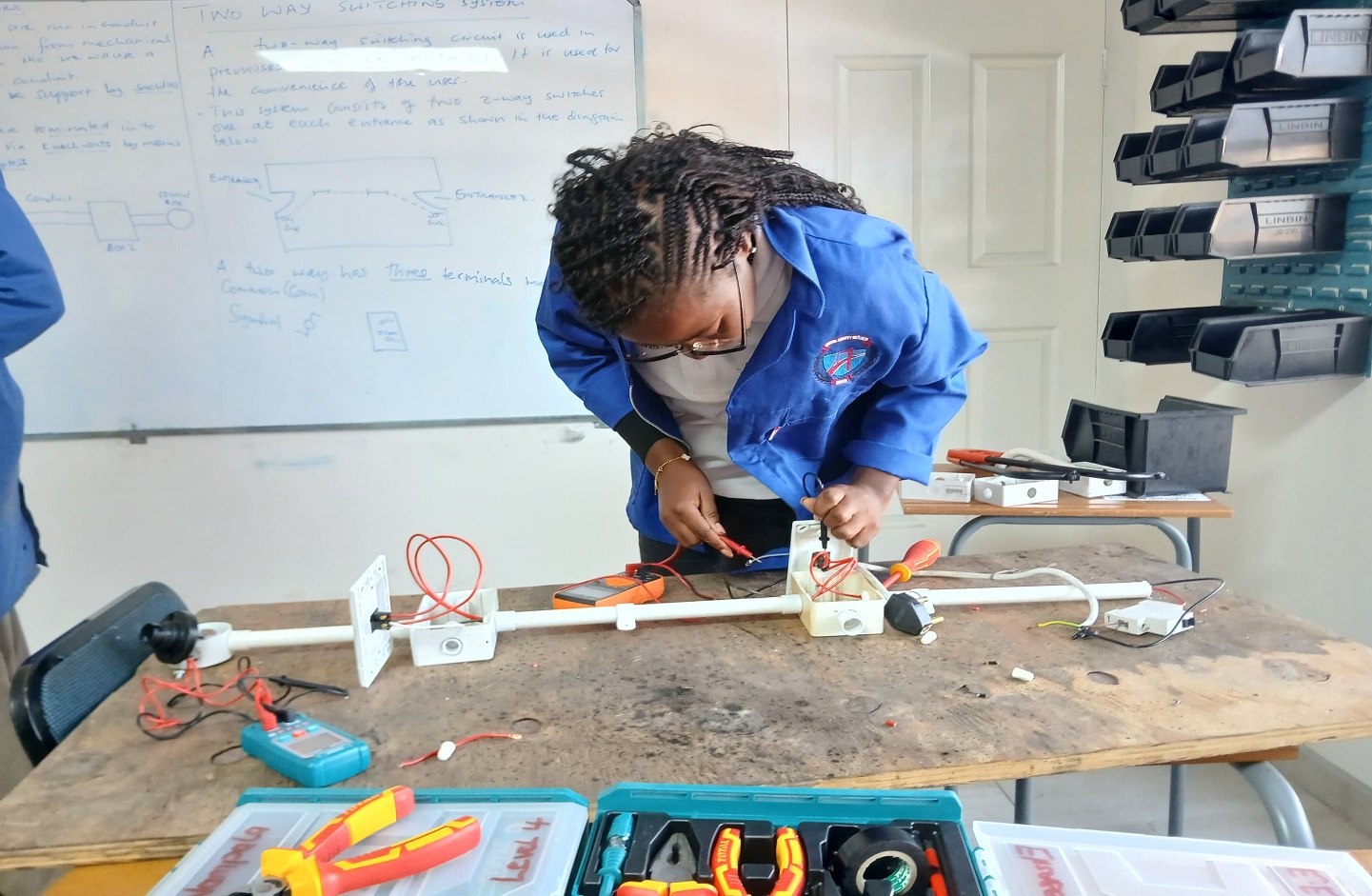
My training focuses on developing skills in electrical and electronic engineering with a special emphasis on green hydrogen technology. It equips me with both practical and theoretical knowledge of energy systems, hydrogen production, and sustainable energy solutions. Through hands on experience, I have learned about hydrogen storage, distri-bution, and its applications in different industries. The program also includes safety pro-cedures and best practices for working with hydrogen technologies and that of electricity. Ultimately, it prepares me to contribute to the growing hydrogen economy in Namibia and beyond.
2. In your opinion, what is the most important use of green hydrogen?
The most important use of hydrogen is its ability to provide clean and sustainable energy for various industries. It can replace fossil fuels in power generation, transportation and manufacturing, reducing carbon emission. Green hydrogen also plays a key role in ener-gy storage, ensuring a stable and reliable power supply. Its power to support off grid communities and drive economic growth in renewable energy is significant. Overall, it is a game changer for cleaner and a greener future.
3. What has been your most memorable experience during your Master's Program?
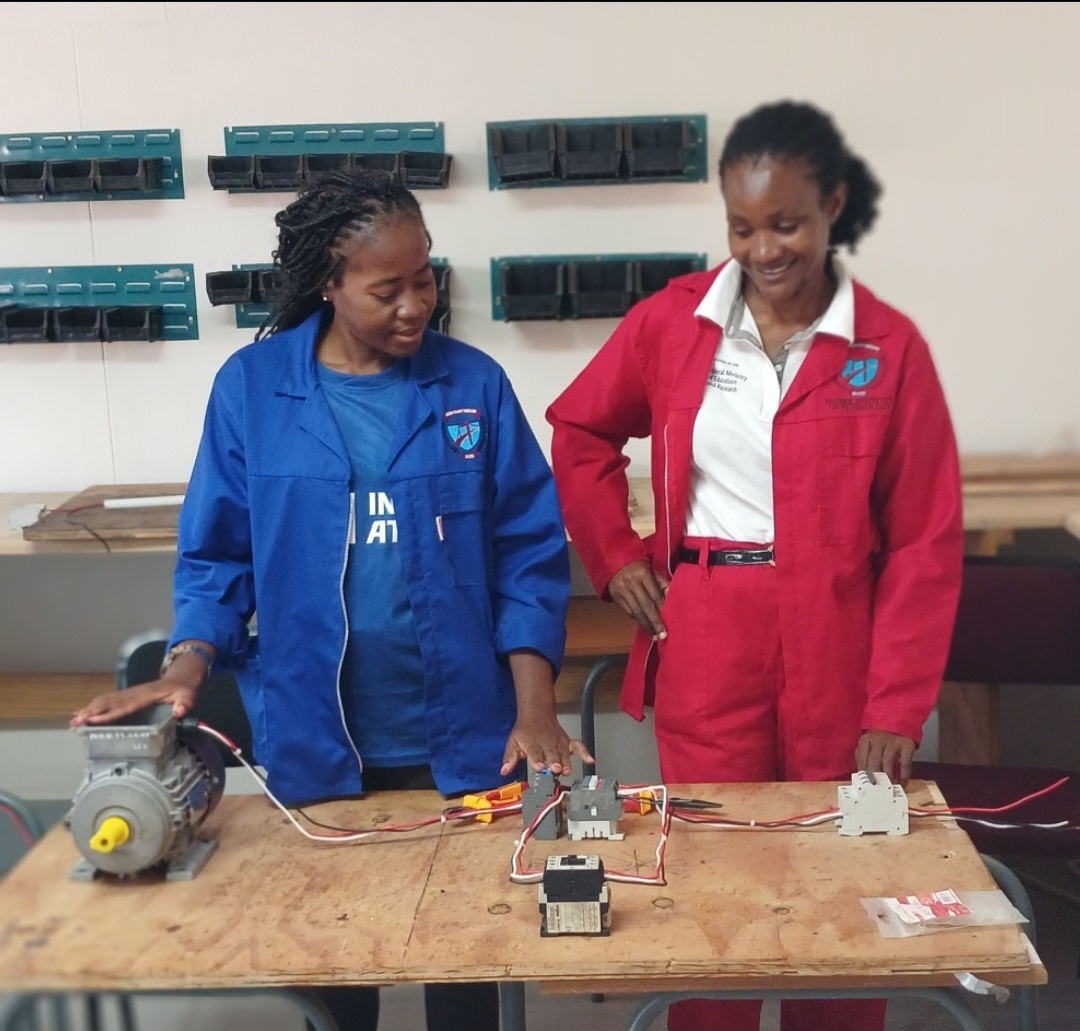
My most memorable experience was attending the Green Ammonia/Hydrogen Projects Public Stakeholder Engagement from 8-10 July 2024 in the Erongo Region Walvis Bay. This event gave me a deeper and clear understanding of the green hydrogen and ammo-nia production, including their potential impact on Namibia's energy sector. Engaging with industry experts and policymakers inspired me to explore this field even further. The discussions and presentations helped me realize the vast opportunities in renewable energy. This experience fuelled my passion and strengthened my commitment to contributing to the green hydrogen industry.
4. What advice would you give to a future student in the field of green hydrogen?
My advice would be to stay curious and open minded because the green hydrogen field is constantly evolving. Take every opportunity to gain hands on experience, as practical skills are just as important as that of theoretical knowledge. Network with industry profes-sionals and fellow students to build valuable connections. Be patient and persistent, be-cause working with new technology requires continuous learning and adaptability. Most importantly, believe in your ability to make a difference in the energy sector.
5. What are your professional plans/ideas for the future?
Professionally I want to contribute to the development of the green hydrogen infrastruc-ture in Namibia by working on innovative energy projects. My goal is to use my skills to promote clean energy solutions that supports both economic growth and environmental sustainability. I also want to engage in training and mentoring young people to increase local expertise in this field. Eventually, I hope to be part of the large scale green hydrogen projects that position Namibia as a leader in renewable energy. My long term vision includes launching initiatives that integrate green hydrogen into daily life, making it more accessible to communities.
6. Bonus Question: Is there anything else you want to share?
What I can add is that one of the biggest lesson I have learned is that persistence is the key when working in a new and evolving industry. At the same time the concept seemed complex, but by staying engaged and asking for guidance, I was able to grasp them. The support from my mentors and peers has been invaluable, and I respect and appreciate the collaborative spirit of the program. This journey has reinforced my passion for renewable energy, and I am excited about the future possibilities.
Last updated on