

CDRterra: Research on methods for removing CO2 from the atmosphere – Carbon Dioxide Removal (CDR)
In order to achieve greenhouse gas neutrality by 2045, CO2 must be permanently removed from the atmosphere. The BMFTR funding programme CDRterra is exploring political, ecological, technical and social issues relating to CDR methods on land.
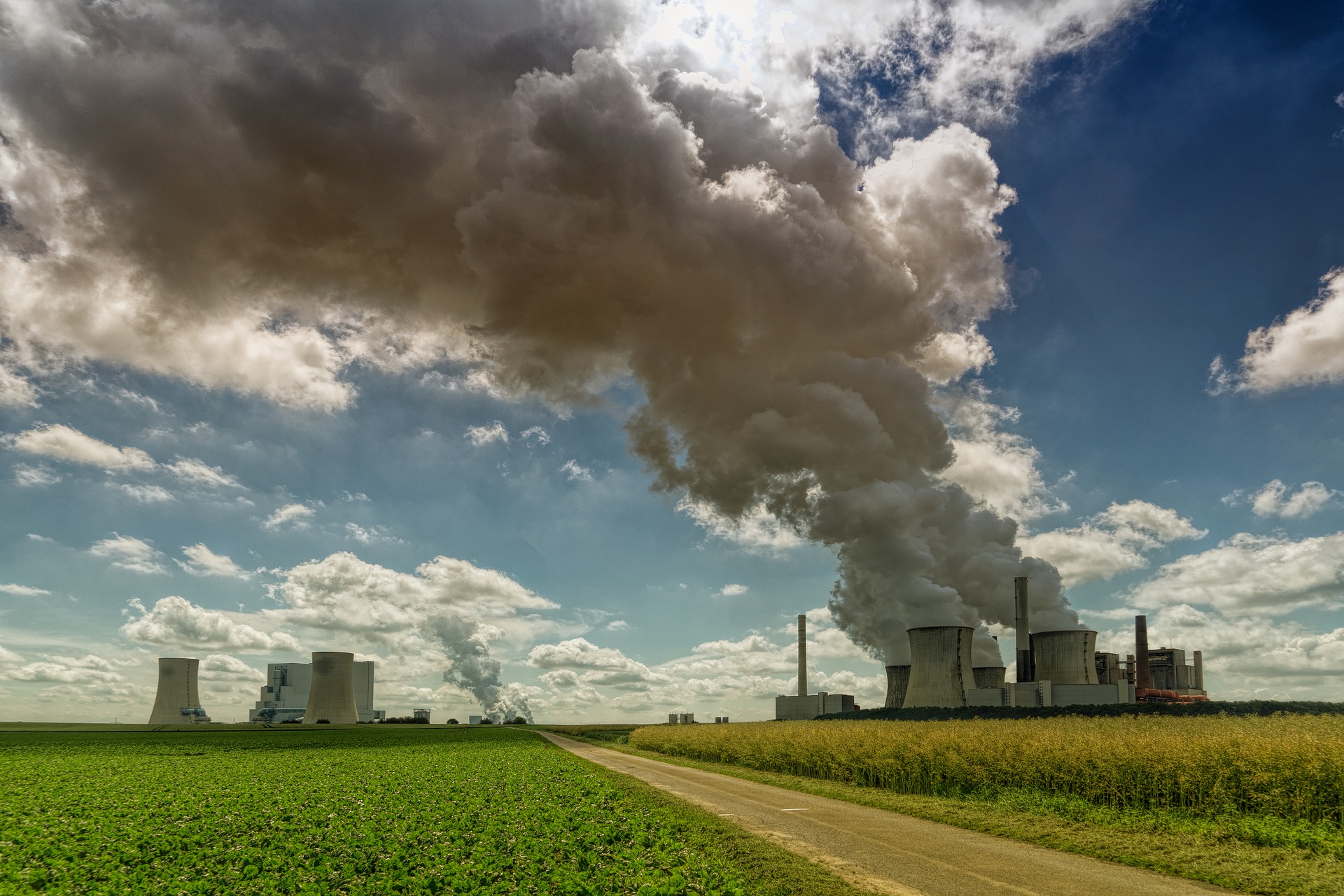
The Paris Agreement of 2015 set the goal of limiting the increase in global mean temperature to "well below 2 °C" compared to pre-industrial levels and "to pursue efforts" to limit the temperature increase even further to 1.5 °C. Europe is to be "climate neutral" by 2050. Germany is aiming for greenhouse gas neutrality by 2045. However, according to current knowledge, there will remain CO2 emissions in the future that are unavoidable or very difficult to avoid – or that are too cost-intensive to avoid. These emissions occur, for example, in agriculture, some industrial sectors and waste management and must be compensated for by suitable measures in the future. This is emphasised by the Sixth Assessment Report of the Intergovernmental Panel on Climate Change (IPCC), which states that, in addition to the drastic reduction of greenhouse gas emissions, so-called "negative emissions" will also be needed to limit the increase in the global average temperature to 1.5 °C or 2 °C. Negative emissions refer to the active removal of CO2 (carbon dioxide removal, CDR) from the atmosphere and its long-term storage.
The German Federal Ministry of Research, Technology and Space (BMFTR) has been investing in research on CDR with the CDRterra funding programme since 2021. Various issues with regard to the feasibility and conditions for the implementation of technologies and approaches referred to as "CDR" have not yet been sufficiently researched. In addition, CDRterra aims to carry out a comparative analysis and evaluation of the various CDR methods. The ten collaborative projects are researching individual CDR methods as well as overall questions of political and institutional feasibility, social acceptance and ethics. The aim is to improve the basis for research and climate policy decisions – including investments in the development or regulation of the use of CDR methods.
While the potential of these methods still needs to be investigated in more detail, it is very likely that the feasible quantities will only correspond to a small proportion of current emissions. Ambitious climate protection through the reduction of greenhouse gas emissions and adaptation to the expected climate change must therefore remain the highest priority.
CDRterra Phase II – further development and continuation of CDR research
The BMFTR is funding the research projects of the first phase with a total of around 21 million euros. For CDRterra II, the Ministry will provide additional funding and will support research projects in three areas:
- Fundamental research on individual land-based CDR methods: On the one hand, gaps in knowledge on individual, already existing CDR methods are to be identified and closed. On the other hand, new, as yet unknown methods and approaches are to be developed to diversify a portfolio of methods.
- Accompanying and synthesis research, transfer: A research project should coordinate the networking of all projects, strengthen the transfer of knowledge, organise a research-accompanying discourse and communication with stakeholders in politics, society and business, develop an overarching synthesis and overall evaluation of CDR methods and develop specific recommendations for action for decision-makers in climate policy.
- Cross-sectional research: Overarching topics and aspects that are of particular importance for an overall analysis are to be researched in depth. These include, for example, questions on market mechanisms, infrastructure, governance as well as social adoption and acceptance.

CDRterra – Phase I in detail
The research projects are investigating the following CDR methods:
- Direct Air Carbon Capture and (long-term) Storage (DACCS),
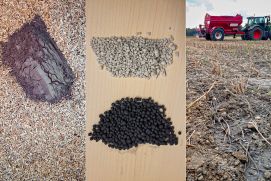
- Biochar and pyrolysis of biomass,
- enhanced weathering of rocks,
- increased carbon storage in the soil,
- Bioenergy with Carbon Capture and Storage (BECCS),
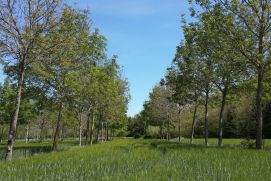
- afforestation and reforestation and forestry measures,
- CO2-negative building materials (Carbon Capture and Utilisation, CCU).
In addition to the research projects, an accompanying and synthesis project, "CDRSynTra", is also being funded for the overarching analysis of the findings collected throughout the programme. The project develops solutions for the transfer of knowledge to politics, the public and science and forms the central interface to the research mission "Marine Carbon Storage as a Pathway to Decarbonisation" of the German Marine Research Alliance (CDRmare).
Results of the first CDRterra research phase: Link to project website of CDRterra
Contribution to High-Tech Agenda Germany and FONA Strategy
The CDRterra funding measure contributes to the German government's ‘High-Tech Agenda for Germany’, particularly in the strategic research field of ‘Marine, climate and sustainability research’ – it is one of the projects that is laying the foundation for new economic momentum through efficient technologies for negative emissions (CDR) and climate neutrality. CDRterra also contributes to Field of Action 1, ‘Avoiding and reducing greenhouse gases (mitigation)’ in Goal 1 of the ‘Strategy for Research for Sustainable Development (FONA Strategy) – Achieve the climate goals.’
Projects of the first funding phase



Last updated on