



SASSCAL 2.0: New research results on climate adaptation in southern Africa
What strengthens resilience to extreme weather such as droughts and intense rainfall in southern Africa? Thirteen German-African projects analysed various aspects and developed strategies for climate adaptation – for example, for local agriculture.
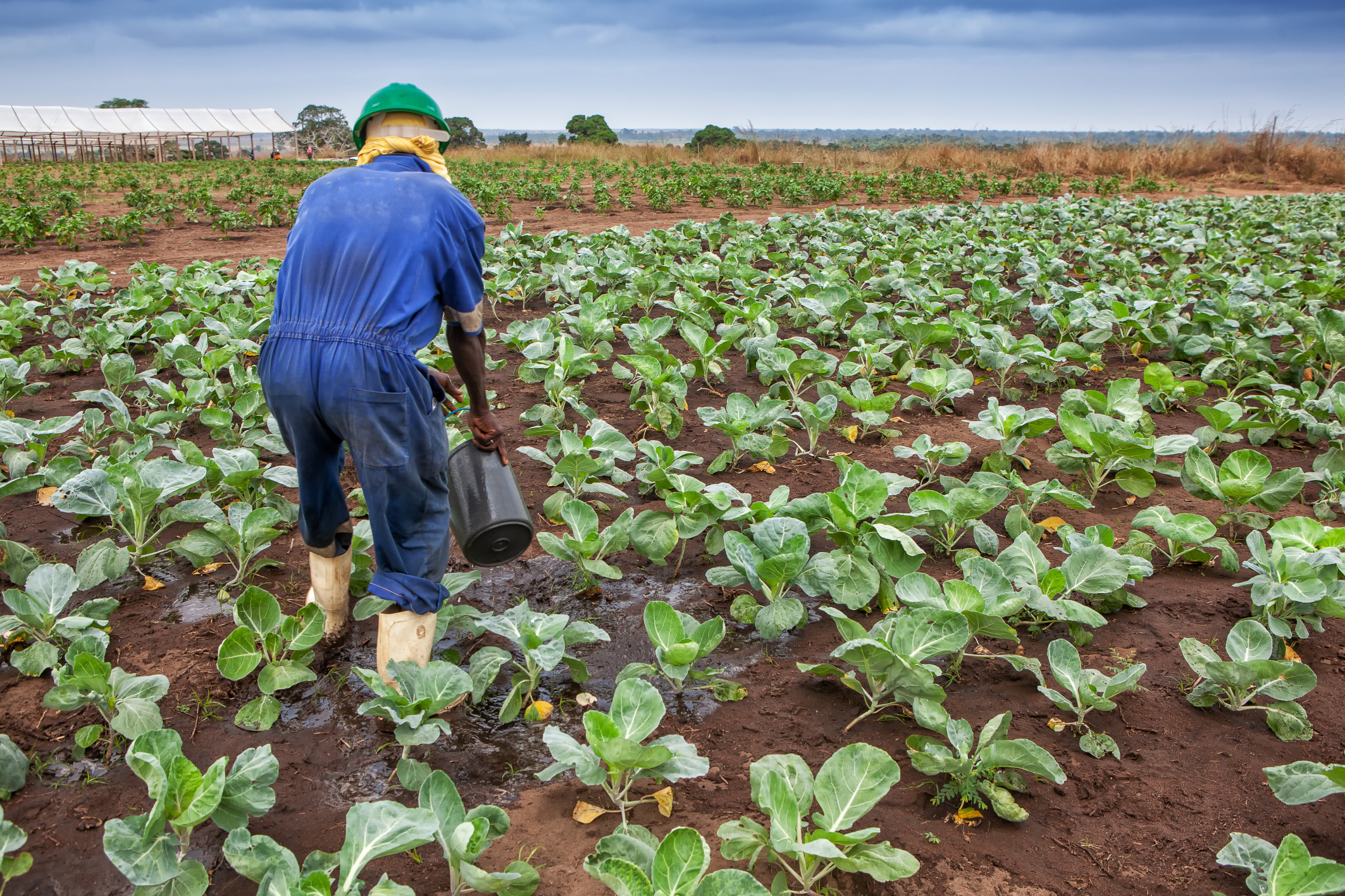
Climate change is reality in southern Africa. Droughts last longer, intense rainfall leaves areas flooded – the consequences affect people, nature and the economy alike. New strategies are needed that not only respond, but also actively take precautions and strengthen local resilience. The German Federal Ministry of Research, Technology and Space (BMFTR) is focusing on science as the key to new solutions and has provided a total of over twelve million euros in funding for 13 German-African research projects as part of the ‘SASSCAL 2.0’ funding programme. The programme was launched by the SASSCAL initiative (Southern African Science Service Centre for Climate Change and Adaptive Land Management). The projects are currently in their final stages and presented their new findings in Luanda, Angola, from 7 to 9 October 2025.
From research to action
Around 200 participants from the fields of science, business and politics gathered at the conference under the motto ‘From Research to Action’. The focus was on strategies of the research projects for successful climate adaptation. The SASSCAL 2.0 projects highlighted different perspectives on the following areas of action:
- Food security,
- Water security,
- Protection of biodiversity,
- Sustainable forest management, and
- Development and provision of climate services – such as regional climate data – for the four areas of action.
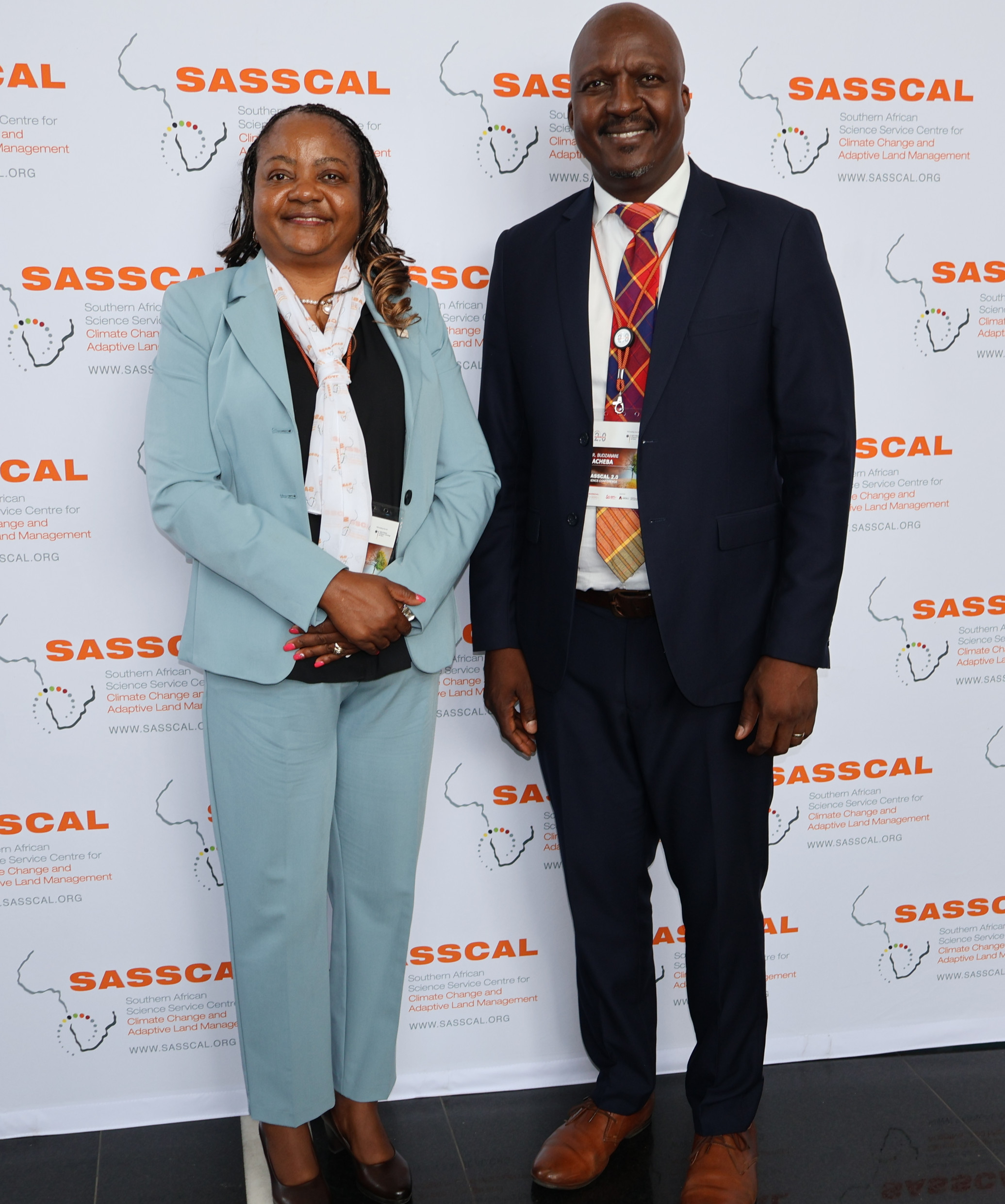
During the conference, Prof. Nelago Indongo, Executive Director of SASSCAL, emphasised: „Team spirit is our greatest strength in combating climate change. The SASSCAL 2.0 research programme has a total of 52 institutions working together in 13 projects – all across national borders. SASSCAL, being the climate competence centre in the Southern Africa region, realise that it is very important to connect scientists through our regional networks, to conduct research and generate knowledge-based solutions for current and future environmental challenges. Going forward, SASSCAL will continue to leverage on this approach and will provide even more support especially for capacitating young researchers. This year, the second SASSCAL graduate studies programme (SGSP) will be launched in Angola. With this initiative we continue supporting and ensuring the development of knowledge and expertise for future generations.“
Dr Budzanani Tacheba, Director for Science and Technology at SASSCAL, added: „The challenges of climate change in southern Africa are complex – but resolvable. It is crucial that research does not remain a privilege for the few, but that it transcends into tangible outcomes achieved in collaboration with local stakeholders. This is precisely the main objective of SASSCAL 2.0 projects - research outputs are closely aligned with local economy and local communities needs for a collective gain.”
Research into regional tipping points and sustainable cultivation and irrigation methods
The wide range of topics covered by the projects shows how varied the challenges are. One particularly relevant question for the entire region is: How will the climate in southern Africa change in the coming years and decades? And is it likely that ecosystems in the region will reach so-called tipping points? Climate-induced tipping points have abrupt effects on the environment that are virtually irreversible. To answer these questions, the TIPPECC project investigated possible tipping points in the areas of water and food security and biodiversity. After almost three years of development, new models are now available to calculate forecasts, particularly for soil moisture and water balances under the effects of climate change. Thanks to the newly created models, appropriate measures can now be taken in the affected regions to position agriculture well for the future.
For example, the FoSReCs project analysed what such measures might look like for agriculture. The aim of the project was to identify climate-adapted crops and improve water management. Finally, the project developed guidelines for adapting new management strategies for water management and agricultural practice. During the project, the FoSReCs project team worked closely with local smallholder farmers to share the knowledge they had gained about sustainable agriculture. As a result, more than 400 farms have already demonstrated an increase in yield for certain climate-resistant crops after introducing the new cultivation methods. More than 3,000 farms can thus benefit from the results of the project focusing on climate-resilient farming methods.
All 13 SASSCAL 2.0 projects have one thing in common: their research results contribute to helping future generations better adapt to climate change locally and improving food security in rural areas.