


Knowledge on agriculture & climate: launch of the new SASSCAL graduate programme
In Angola, the BMFTR-funded Climate Competence Centre SASSCAL is offering a new programme: students who are interested in agriculture, food security and sustainable land management can now pursue a doctorate in Huambo, Angola.
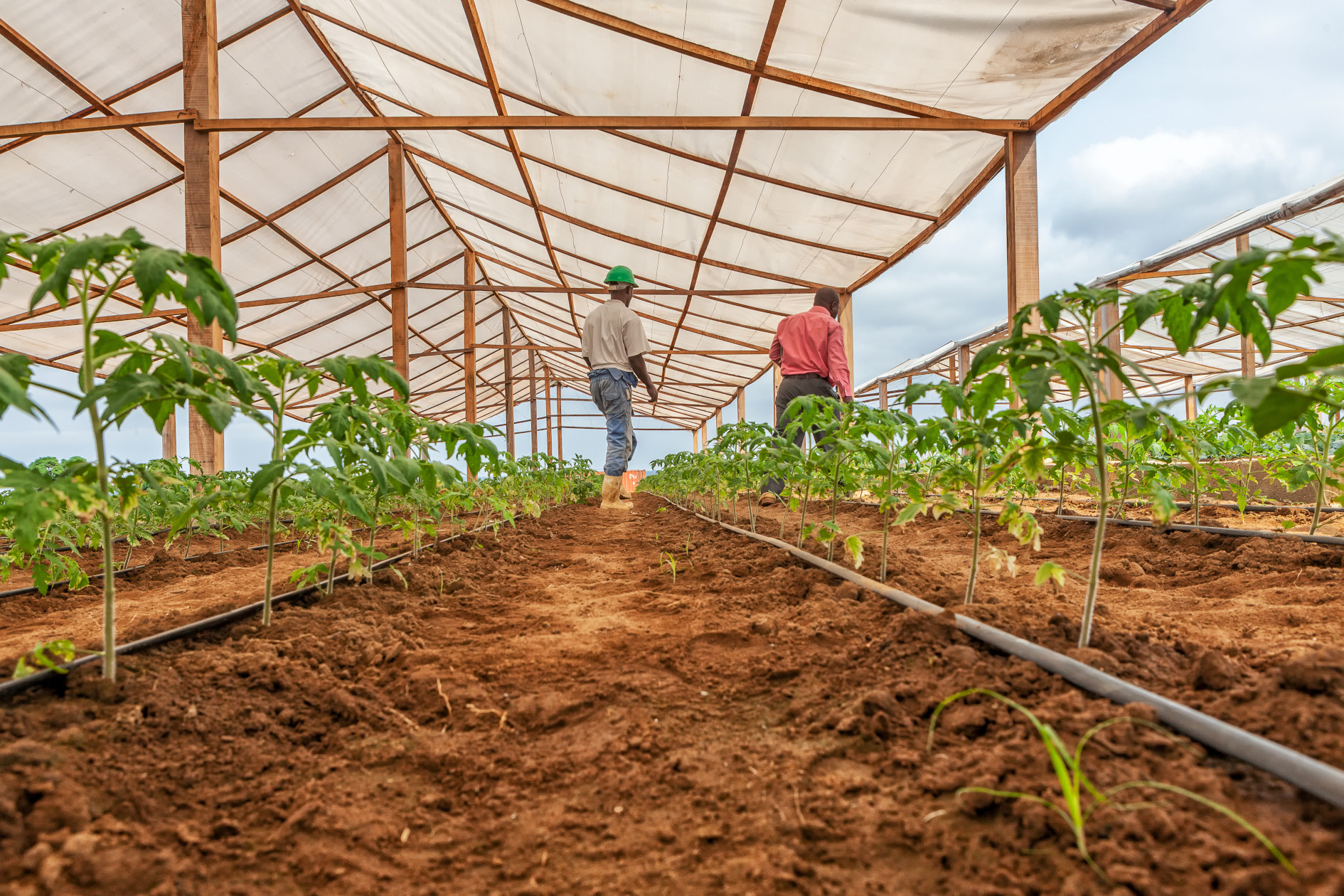
What impact does climate change have on the water storage capacity of soils and how can it be improved? Which vegetable crops have climate-resilient properties? The climate in southern Africa is changing, as it is in many other countries, due to climate change. Those working in agriculture in this region therefore need adapted, sustainable management practices. To further expand the knowledge required for this, the Climate Competence Centre SASSCAL in Angola is launching a new graduate studies programme entitled ‘Agriculture, Food Security and Sustainable Land Management’.
SASSCAL stands for Southern African Science Service Centre for Climate Change and Adaptive Land Management and is an initiative of five countries in southern Africa (Angola, South Africa, Botswana, Namibia and Zambia) and the Federal Republic of Germany. The German Federal Ministry of Research, Technology and Space (BMFTR) is a co-initiator of the SASSCAL Climate Competence Centre, which was founded in 2012. As a long-standing partner, the ministry supports the establishment and further development of long-term scientific structures in the southern African region. With the new graduate studies programme, SASSCAL aims to strengthen national and regional expertise in the areas of agriculture, food security and sustainable land management to combat climate change.
Application phase for students: end of 2025
The new programme is designed for university graduates and will be established at the José Eduardo dos Santos University (UJES) in Huambo, Angola. The development of the new graduate studies programme is supported by the Department of Ecological Agricultural Sciences at the University of Kassel as the German partner, as well as numerous partners in southern Africa.
The following research areas are the main focus:
- Animal sciences,
- Plant production and biodiversity,
- Landscape and land use transformation, and
- other interdisciplinary and cross-country topics.
At the end of 2025, students will be able to apply to participate in the graduate school in Angola via an online tool. Interested parties can find the exact deadlines on the SASSCAL website from November 2025. A Scientific Advisory Committee (SAC) will select a total of 15 students from SASSCAL member countries from the applications for the three-year programme.
The programme will start in 2026, preceded by an English and Portuguese language course for the selected students. In addition to specialization in various disciplines, the programme will include various intensive courses, a research visit at a scientific institution in Germany and participation in conferences, which all doctoral students must successfully complete during the programme. Graduates of the programme complete their studies with a dissertation and receive a doctoral degree (PhD).
New building for Research and Education
In order to provide students with space for their research, the foundation stone for a new building in the immediate vicinity of José Eduardo dos Santos University (UJES) was laid in October 2025. Representatives of the local partner university, SASSCAL management, the German BMFTR and local politicians gathered on site to mark the occasion.
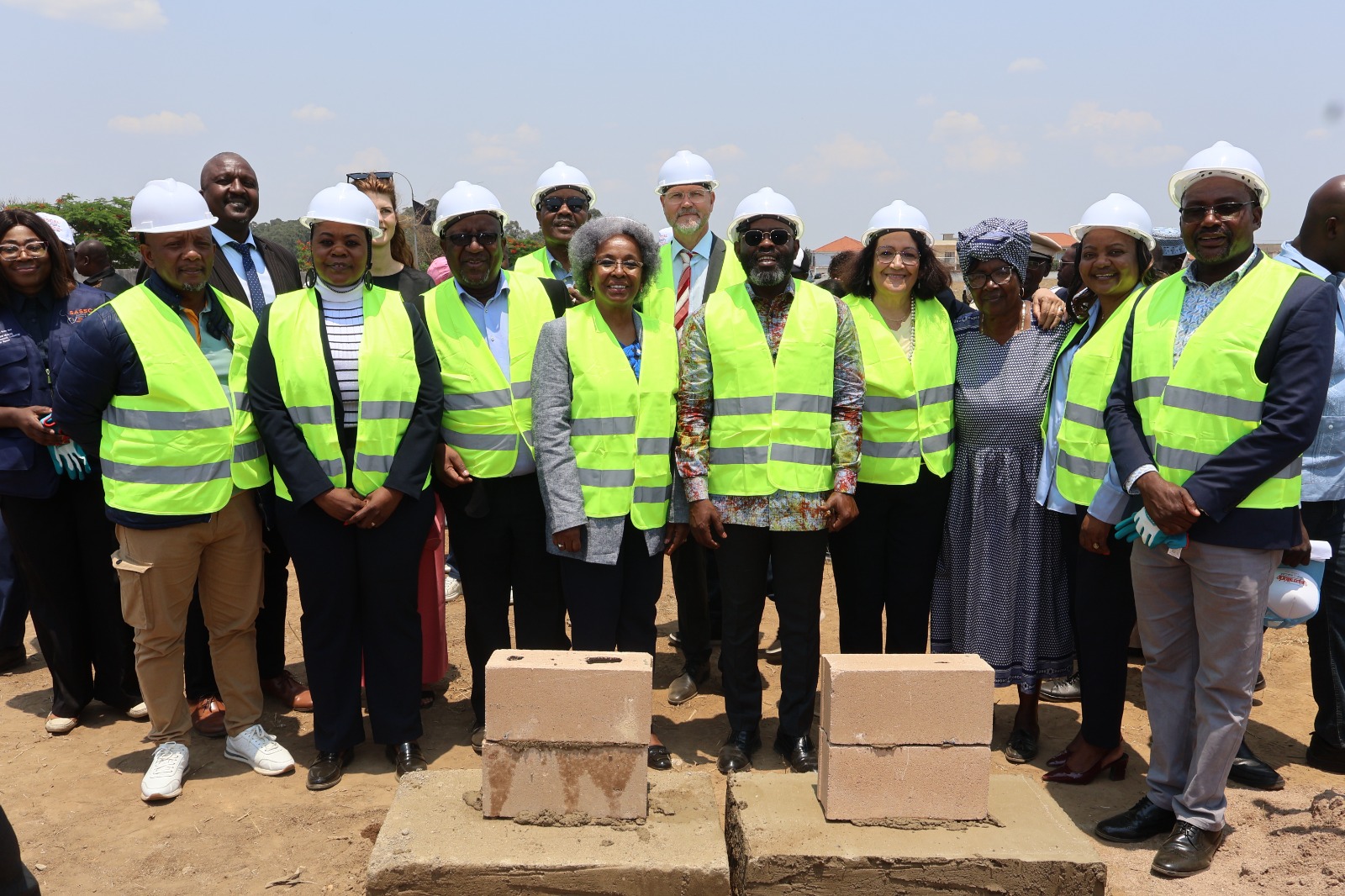
The building will host facilities for training and research and serve as the SASSCAL Country Office in Angola, which together will form a Centre of Excellence (CoE).
This is the second graduate school initiated by SASSCAL. In 2022, the first SASSCAL graduate school programme on ‘Integrated Water Resources Management’, was launched in Namibia, as an opportunity to promote greater regional expertise among young scientists in southern Africa.