


Sustainable development of urban regions
Cities are at the forefront of sustainable development,’ stated United Nations Secretary-General António Guterres in 2018. Key issues on the path to sustainable and resilient cities are to be addressed in the "Sustainable Development of Urban Regions" funding measure.
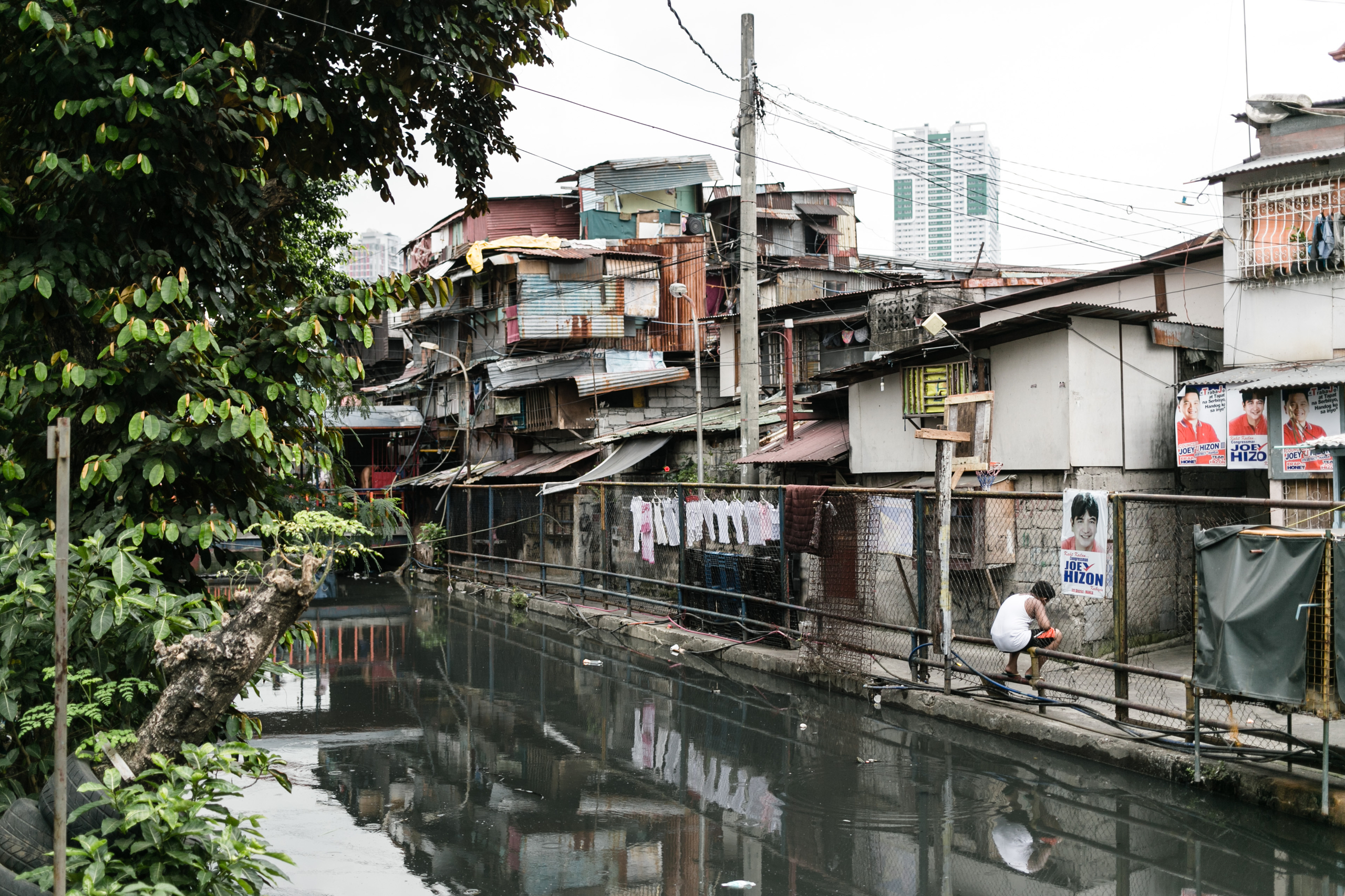
It is estimated that by 2050, 70 percent of the world's population will live in cities. Today, this figure already exceeds 50 percent, and the trend towards urbanisation is continuing unabated, particularly in developing and emerging countries. Urban areas consume 80 percent of the world's energy and resources, and generate more than three-quarters of global emissions.
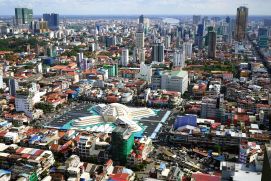
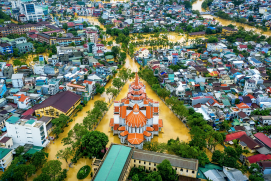
A lack of sustainable planning and action leads to problems that are particularly concentrated in rapidly growing cities and their surrounding areas. This is because political, economic, and civil society institutions can only adapt to the challenges of urbanisation gradually. These problems include overburdened infrastructure systems and ecological risks such as air pollution, overloaded drinking water supplies, inadequate sewage disposal systems, and excessive traffic and waste volumes. These issues are particularly evident in the rapidly growing urban regions of the Asia-Pacific. Cities are constantly transforming in response to rapidly changing demands.
Initiatives for sustainable urban development and corresponding public infrastructure will only be effective in the long term and sustainable in both industrialised and developing countries if decision-makers have solid knowledge for action. Research can help to clarify the circumstances and preconditions under which successful models can be generalised and transferred to a specific problem.
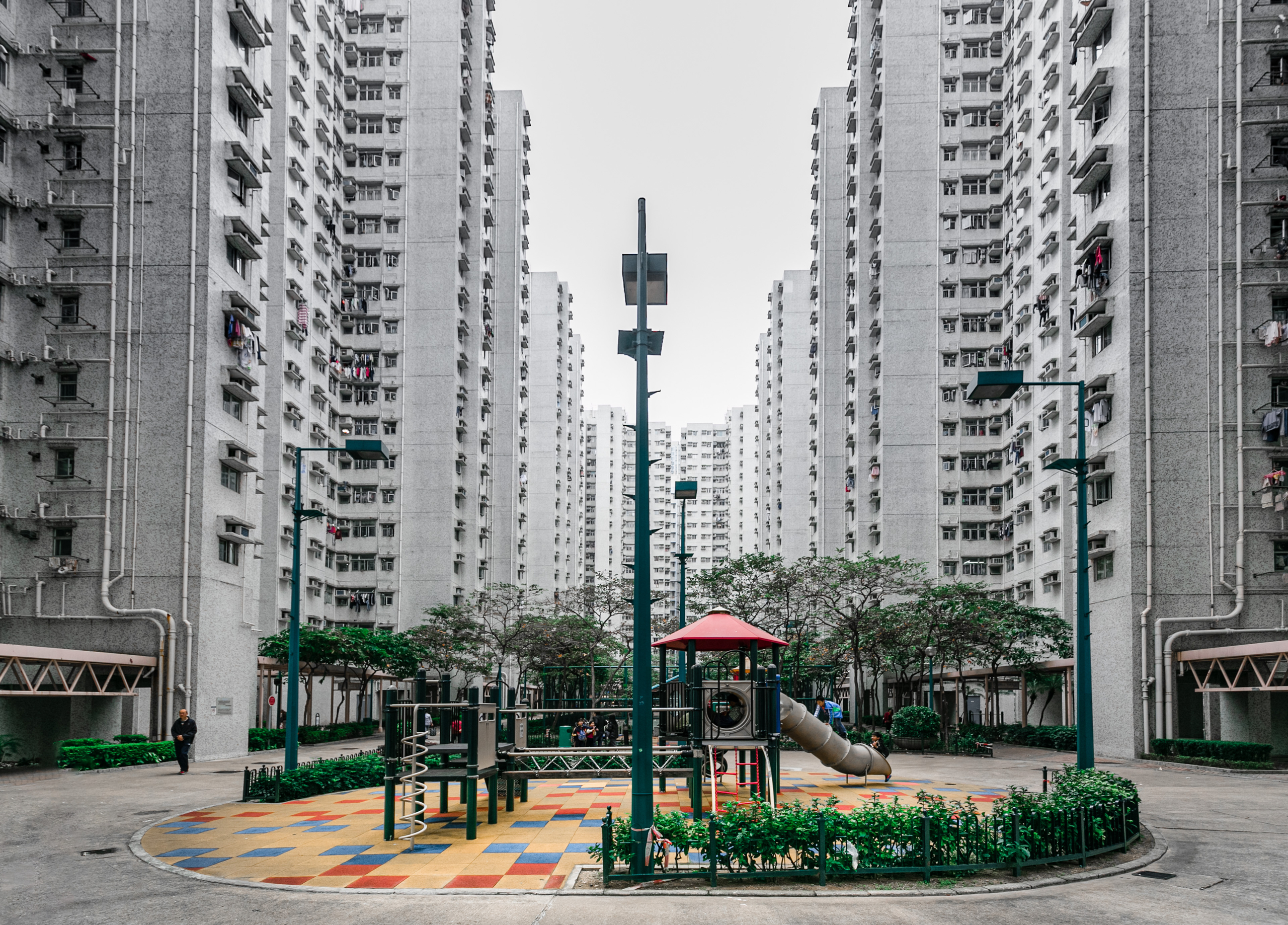
Since early 2019, the Federal Ministry of Research, Technology and Space (BMFTR, formerly BMBF) has been funding projects in fast-growing cities and urban regions in developing and emerging countries as part of the ‘Sustainable Development of Urban Regions’ (SURE) funding measure. The focus is on technological solutions for improved energy and resource efficiency, reducing CO2 emissions and concepts for sustainable new infrastructure systems (energy supply, transport systems, etc.), as well as the development of social innovations for dealing with the resulting changes in living conditions.
The aim of the SURE funding measure is to develop and test locally adapted solution strategies in close cooperation between science and practice that lead to both an improvement in ecological factors and an increase in the resilience of cities, and to provide impetus for the permanent implementation of the strategies.
In the first phase, projects in China and the Southeast Asian countries of Cambodia, Laos, Myanmar, the Philippines, Thailand and Vietnam were funded by the BMFTR (formerly BMBF) with around 10 million euros for 18 months each to identify and define joint research questions in more detail. In 2020, the four-year funding phase for further research and development on solution approaches began in 11 projects with a total funding amount of 28 million euros. A two-year phase has been underway since 2025, with a clear focus on implementation.
Research projects
News about the measure
Last updated on